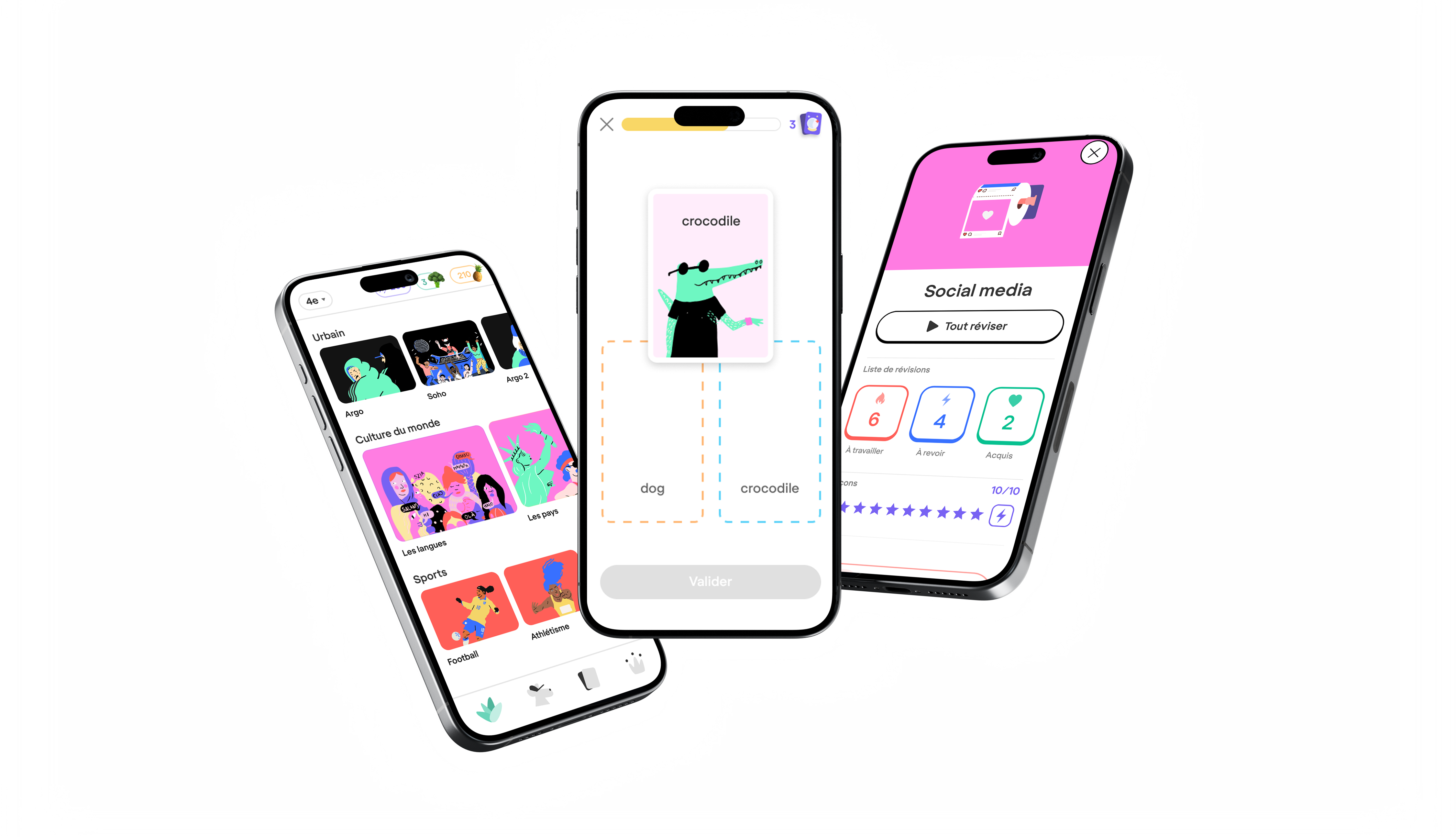
Project: vokapi
Vokapi — Building an app kids kept coming back to, for years
Vokapi helps students aged 8 to 15 practice the English they're learning at school, through short, gamified lessons built around their actual curriculum rather than generic vocabulary.
As a spin-off from Storm, we took it from an early hypothesis to a live product on iOS and Android, reaching over 6,000 users across France and Switzerland. I led the UX design and product direction throughout.
Approach
1. User Research and Hypothesis Testing
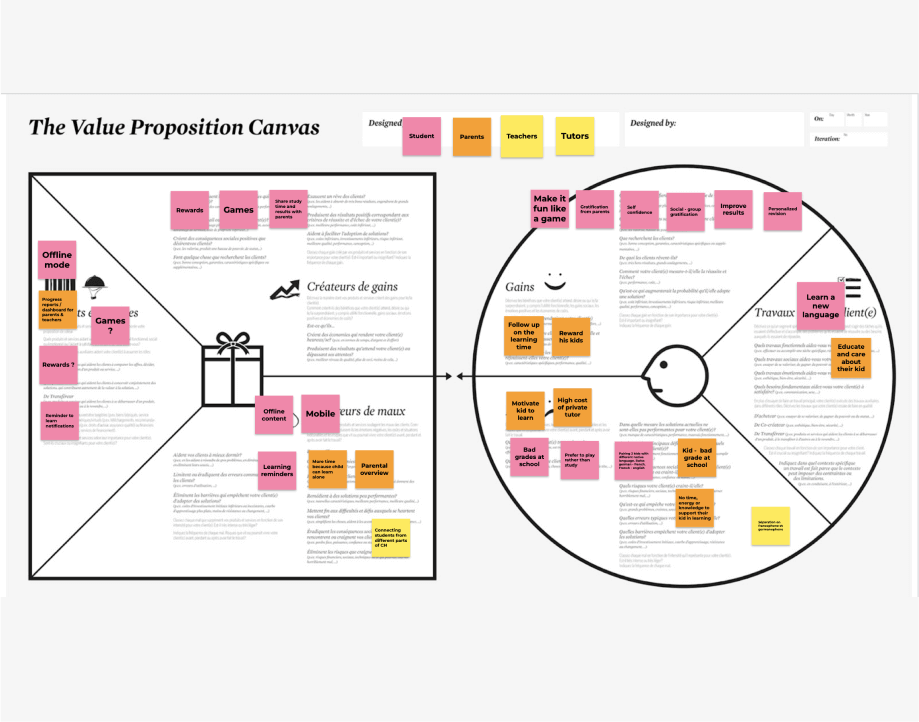
We began by conducting extensive user research, including interviews with children, parents, and educators, to identify pain points and gain insights. Using the Value Proposition Canvas and other user-centered design tools, we formulated hypotheses on what features and elements would most effectively engage young learners.
2. Design Thinking Workshops
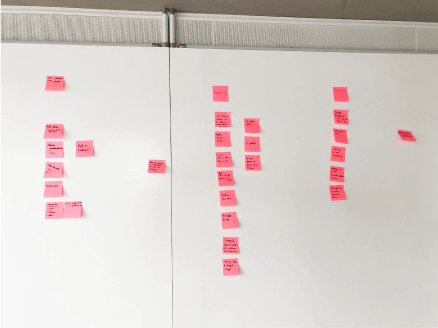
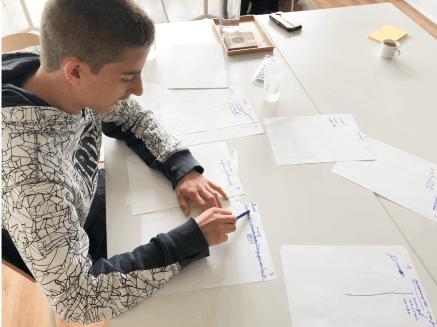
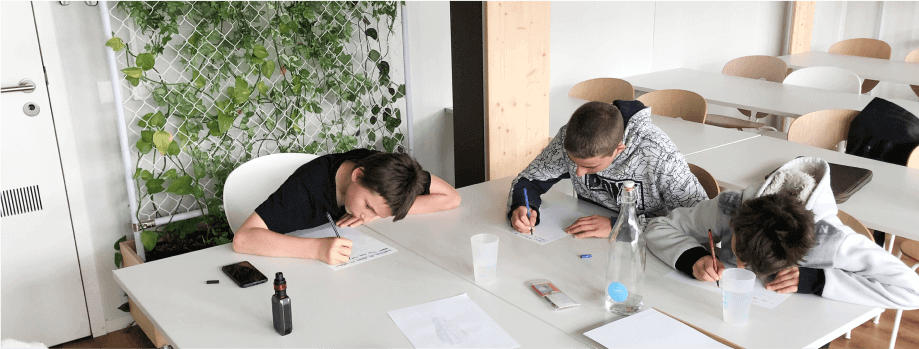
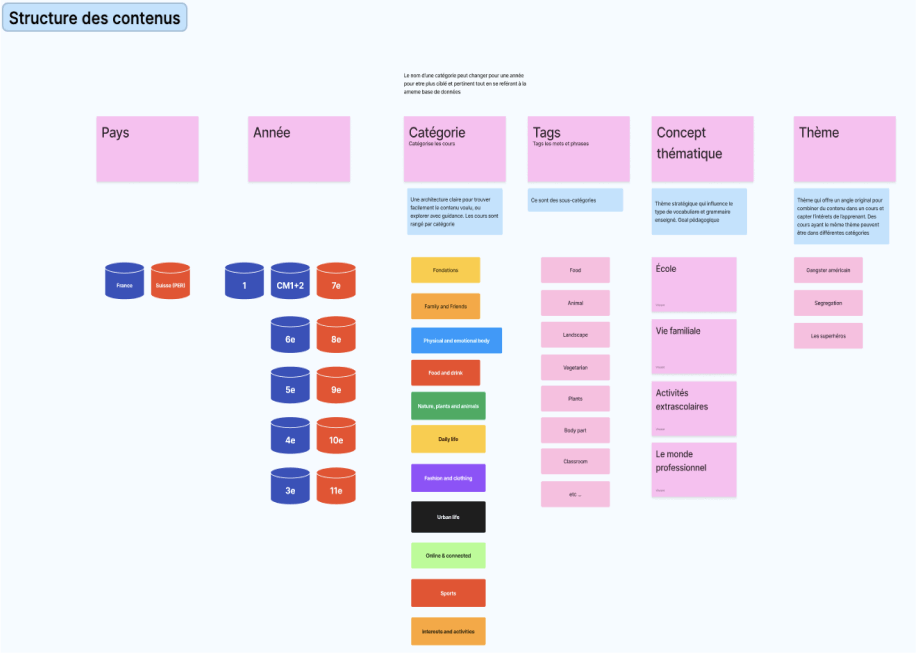
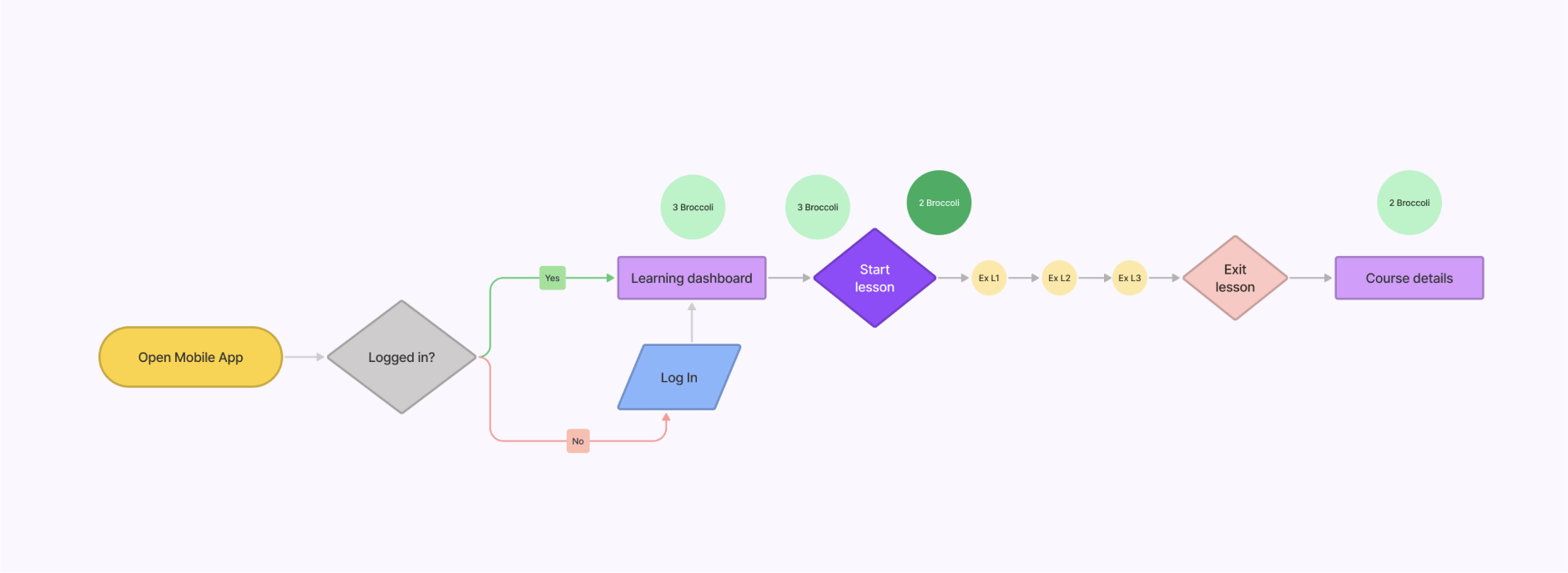
We organized several workshops focused on design thinking and information architecture to brainstorm and structure the app’s core functionalities. These sessions were crucial in defining the user flow and the educational journey within the app.
3. Iterative Wireframing and Prototyping
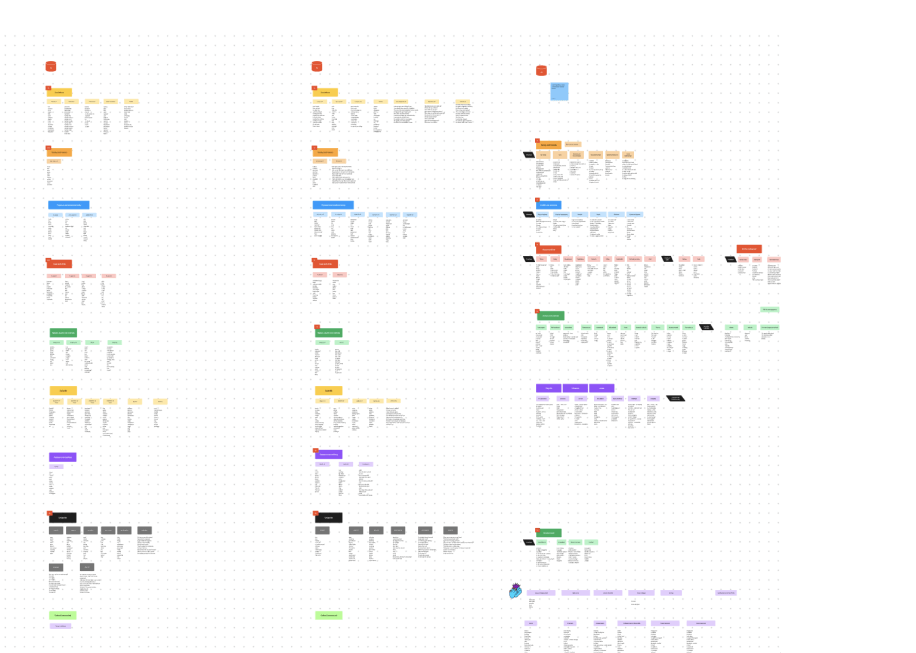
The wireframes and early prototypes helped us visualize and communicate the structure of the product through the team and do early user testing. This iterative process allowed us to make strategic decisions early in the design phase, setting a strong foundation for the app’s overall user experience.
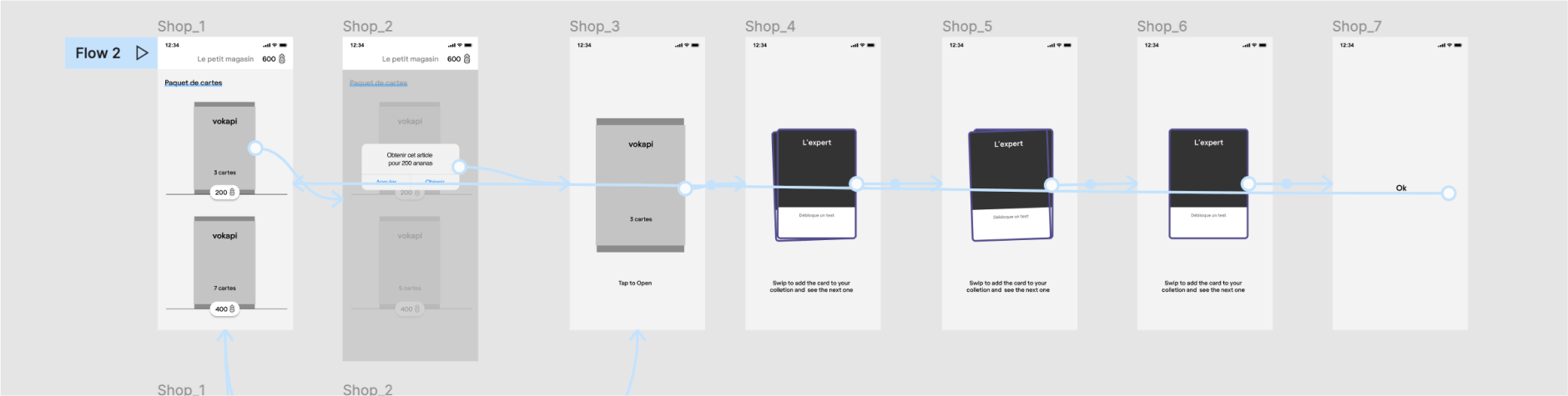
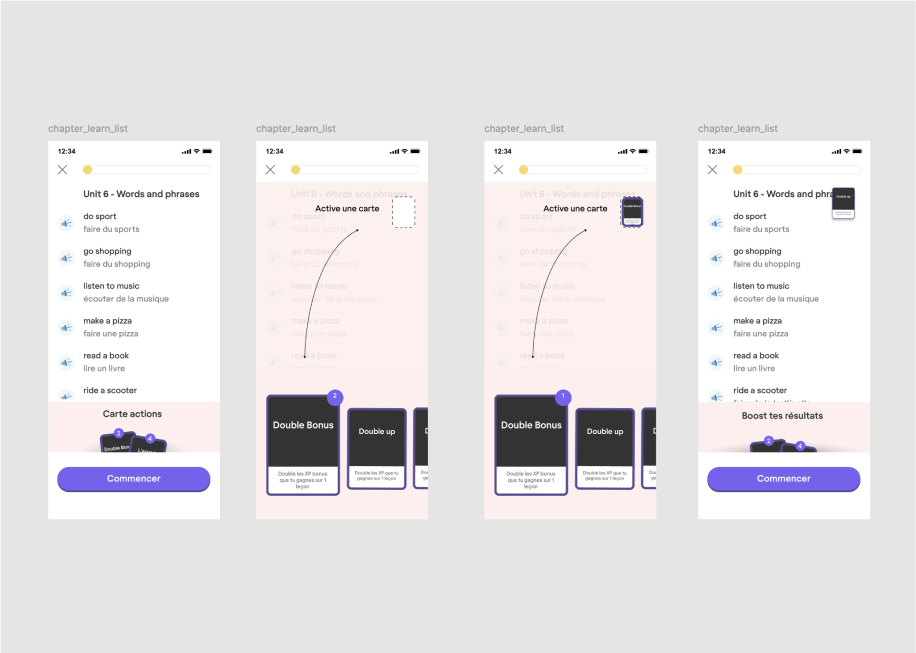
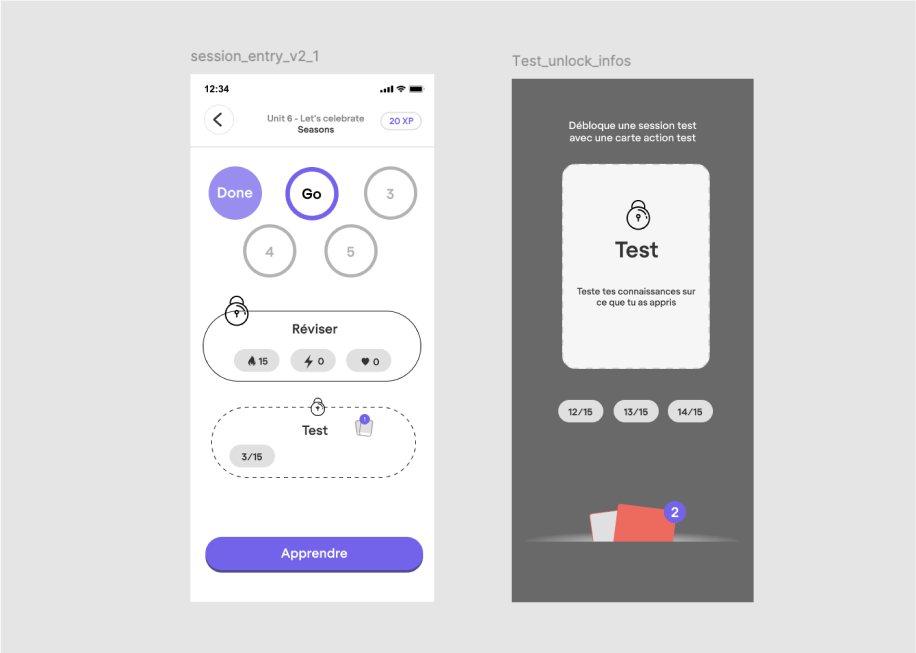
4. Engaging environment that captivates tweens
In the development of Vokapi, we meticulously crafted high-fidelity designs and prototypes to ensure an engaging and intuitive user experience.
Objectives
- Enhance engagement: Fun and interactive learning environment that captivates tweens.
- Personalized learning: Tailored content that matches each learner’s pace and interests.
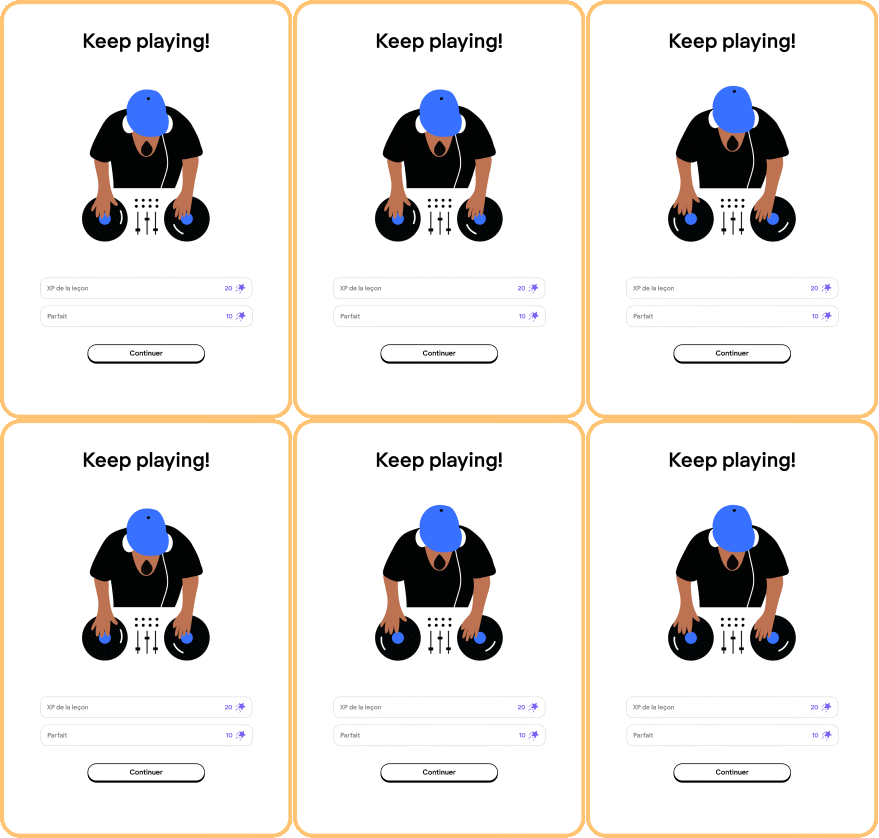
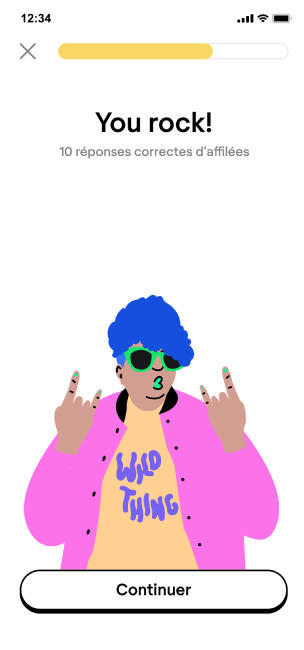
- Motivational rewards: Gamification to incentivize consistent learning and progress.
- Align with curriculum: Content that aligns with local educational standards and curricula.
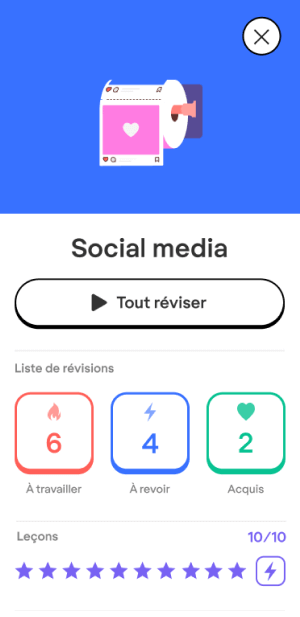
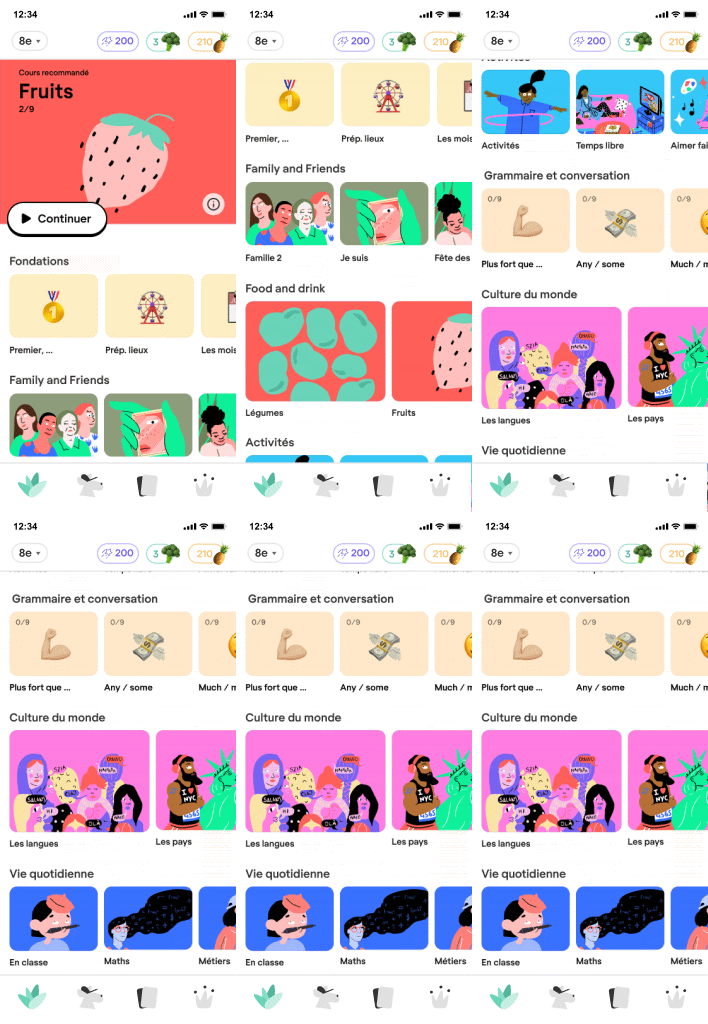
Interactive Lessons
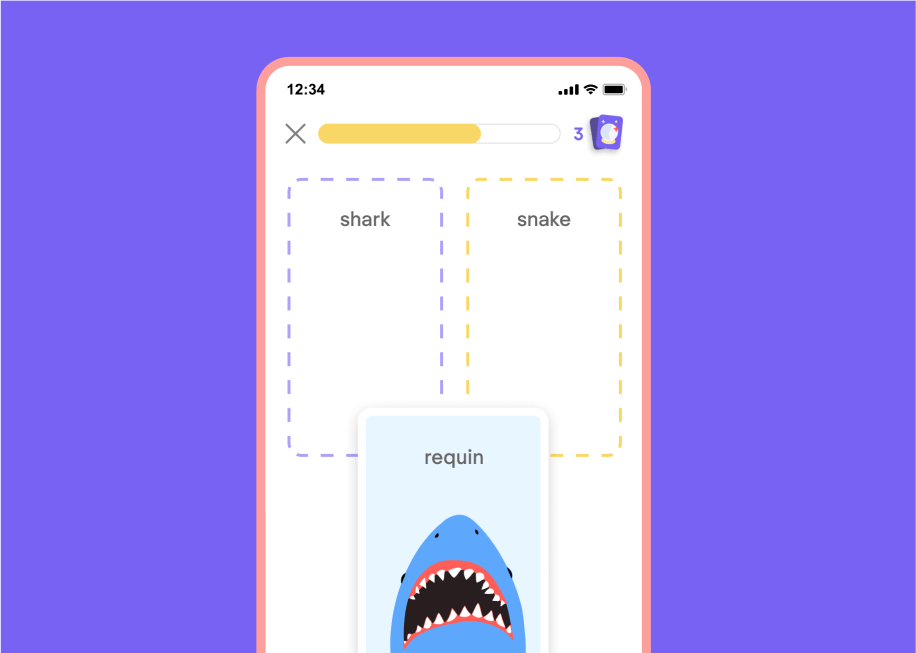
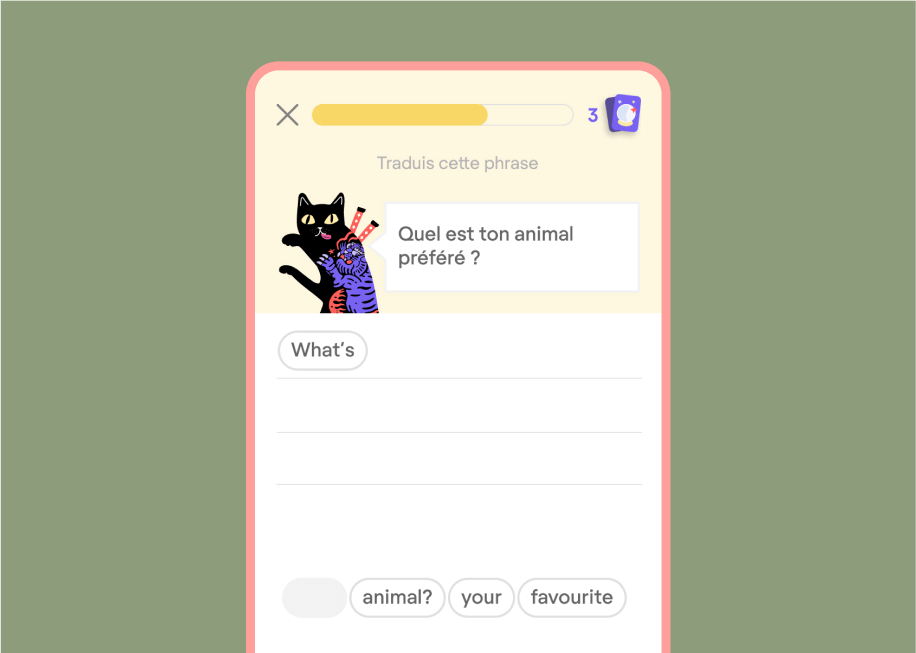
- Short and engaging: Lessons are designed to be short (around 10 minutes), interactive, and fun, making it easy for tweens to fit learning into their daily routines.
- Multimedia content: Incorporates audio, visual, and interactive elements to cater to different learning styles.
- Comprehensive skill development: Covers listening, speaking, reading, and writing skills, ensuring a well-rounded language education.
- Personalized revision lists
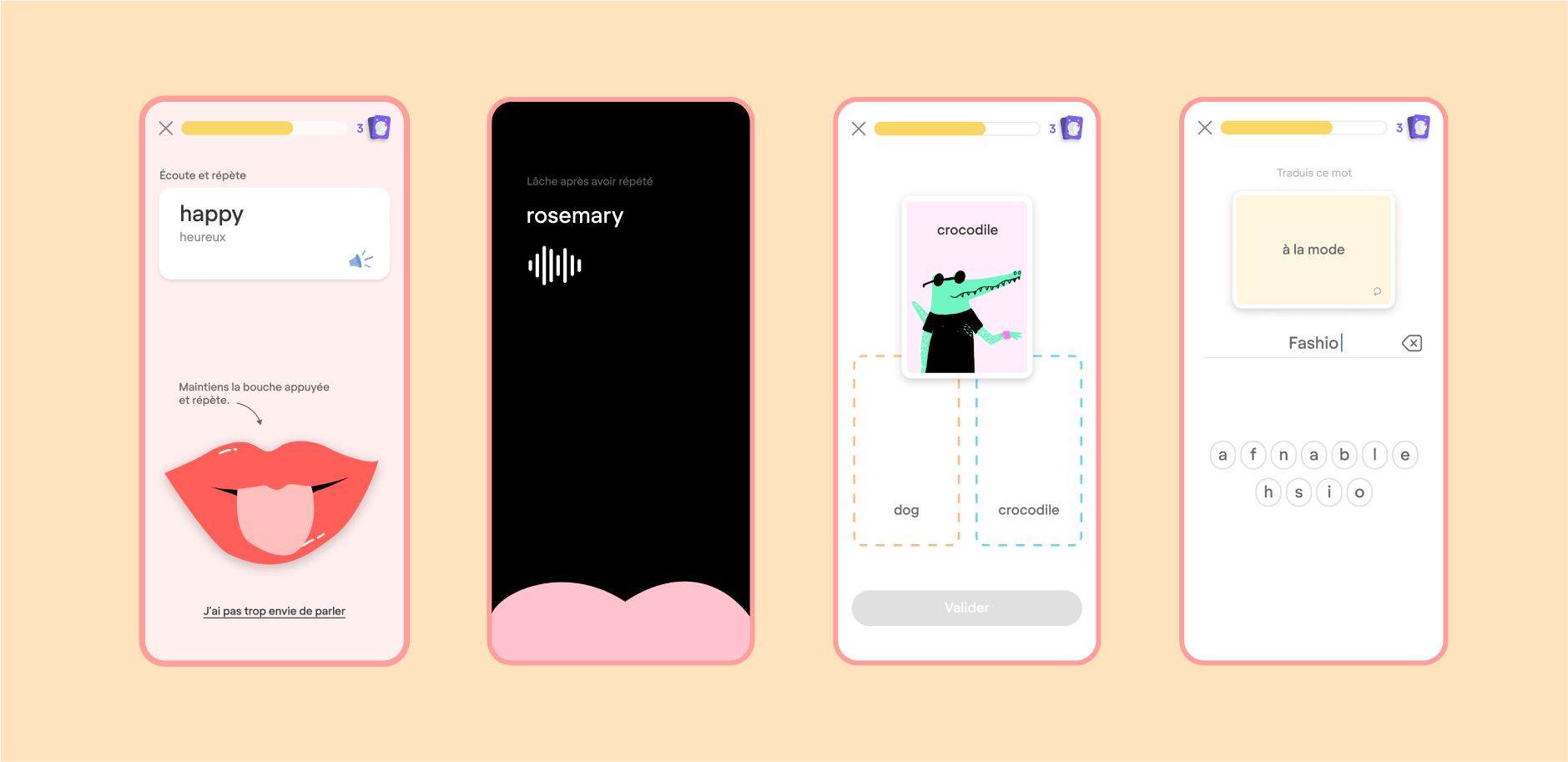
Gamification
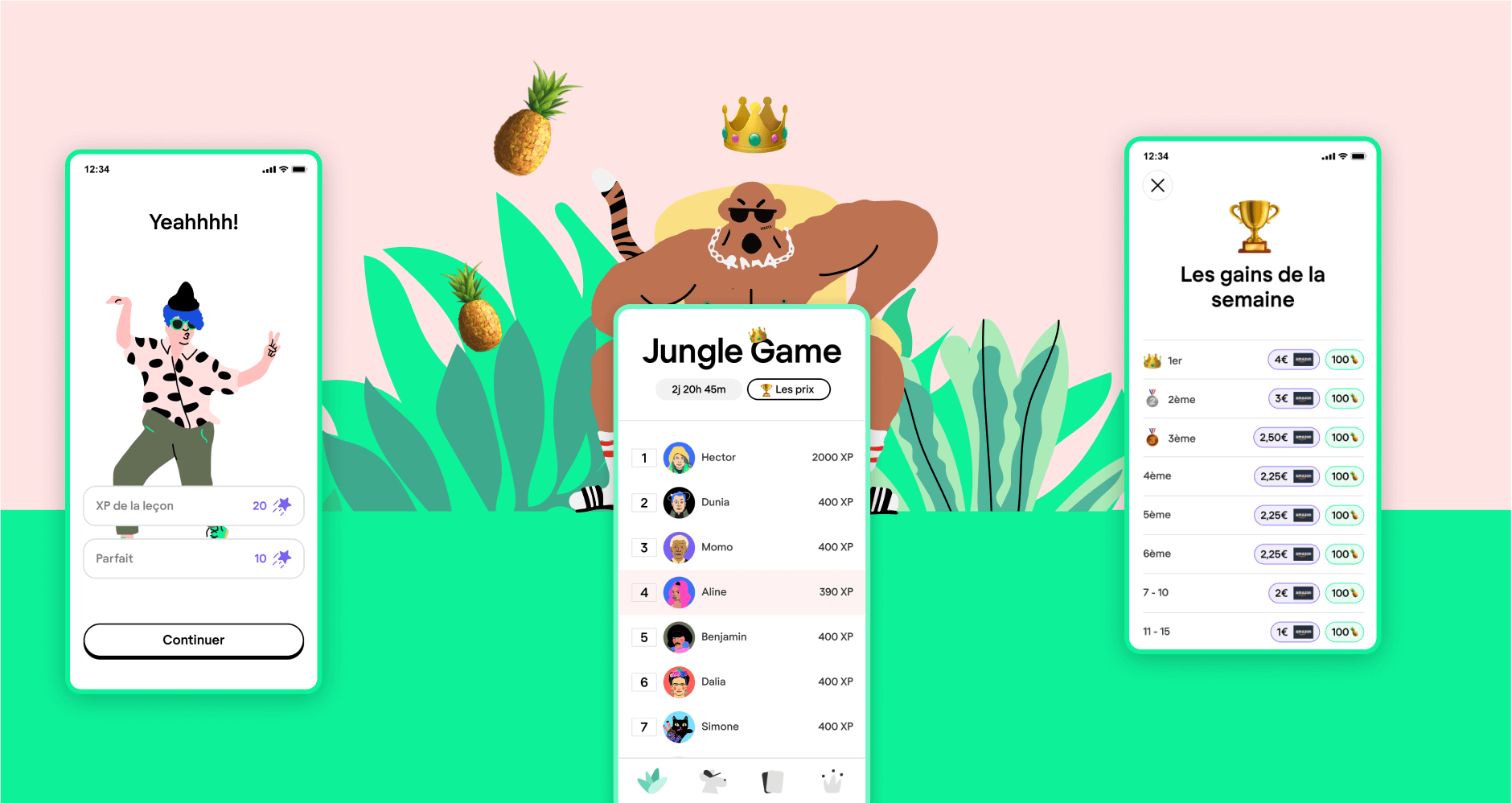
- XP points: Learners earn experience points (XP) for completing lessons and exercises. These points help track progress and unlock new levels.
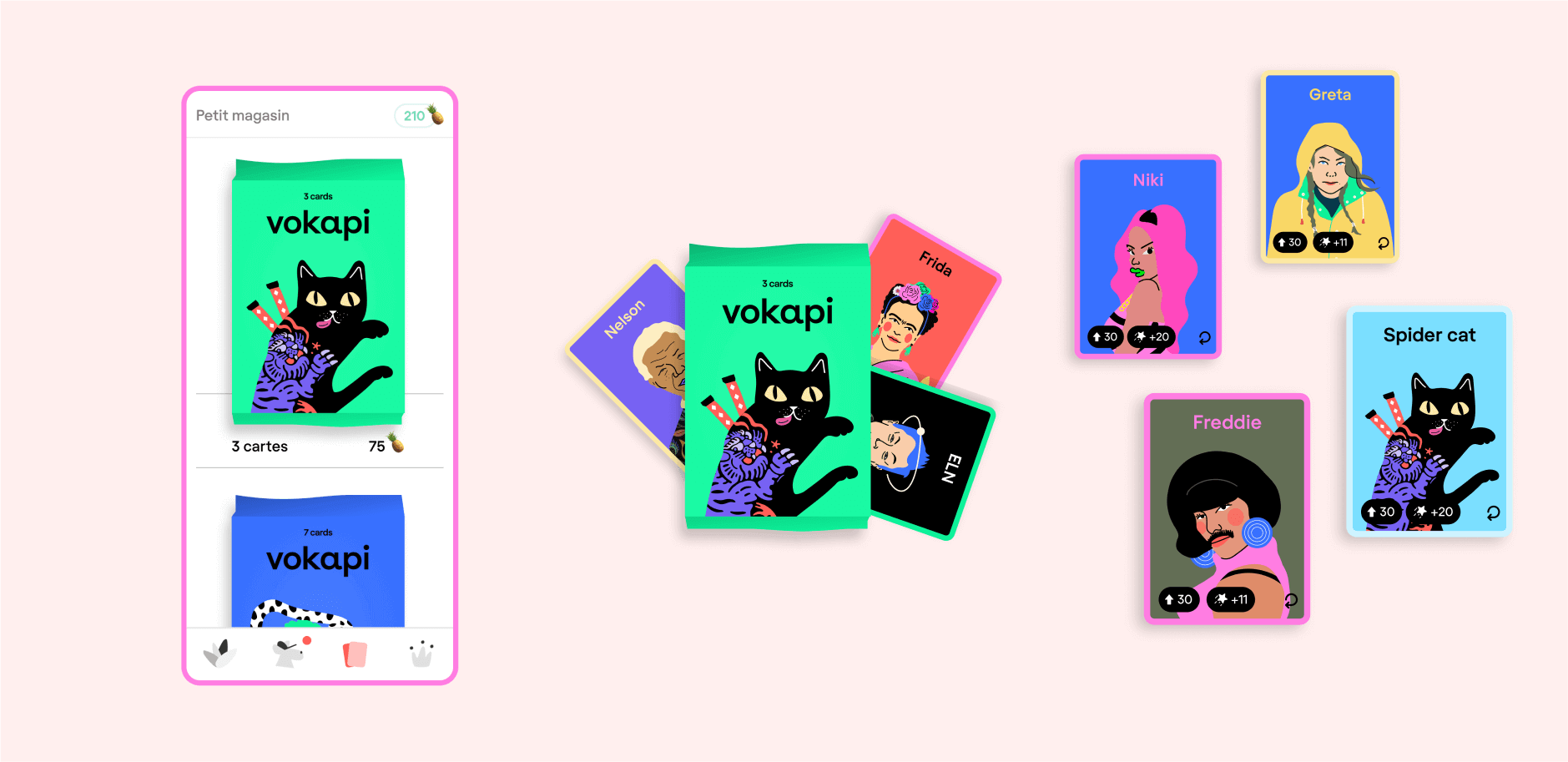
- Ananas currency: A virtual currency earned through completing missions and daily objectives, which can be used to purchase packs of digital cards.
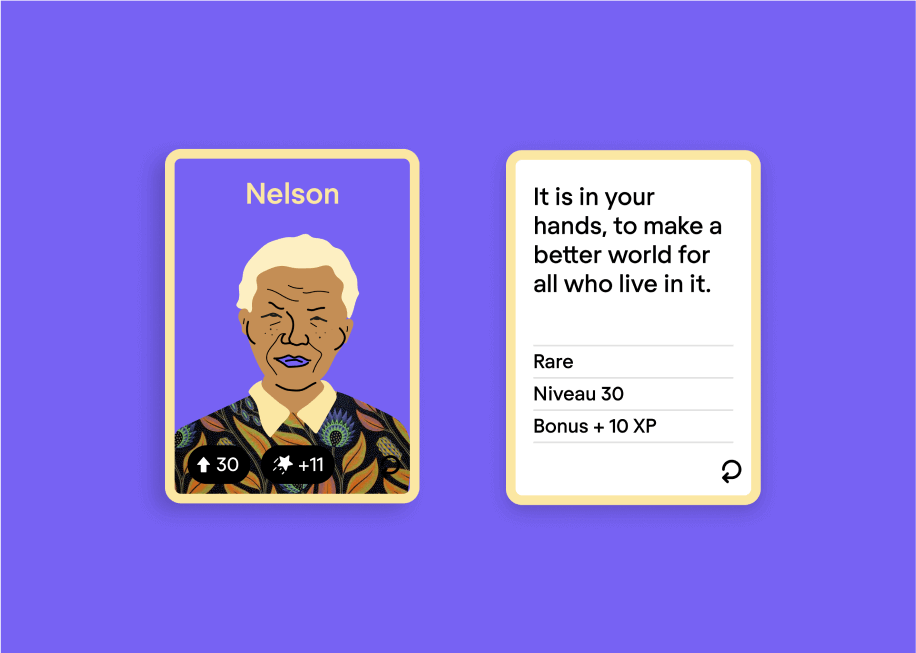
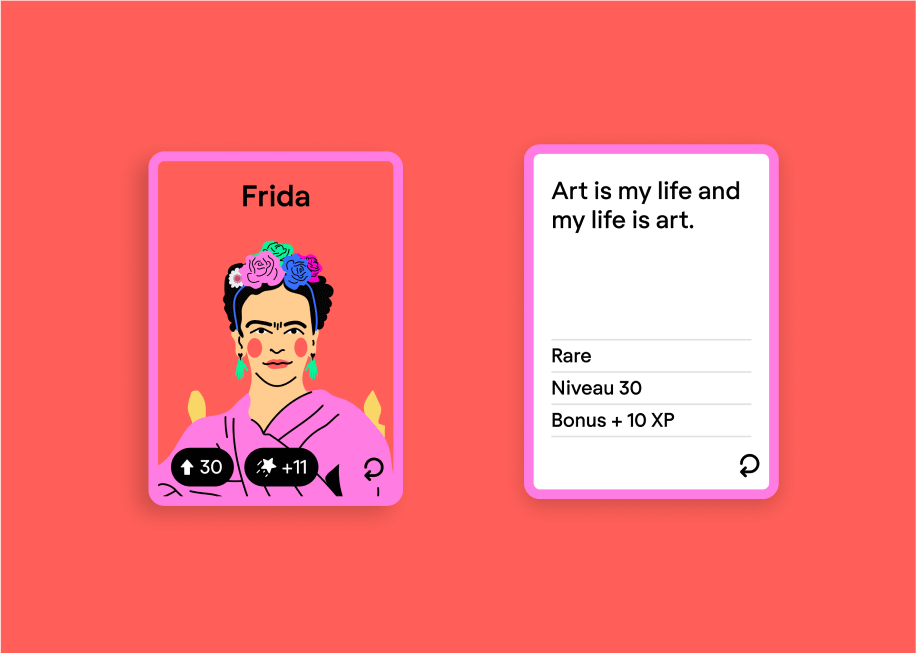
- Digital cards: Collectible cards featuring avatars and power-ups that enhance the learning experience. Avatars can be leveled up to provide additional XP bonuses.
“The Jungle Game” weekly tournament
A learn-to-earn experiment
Weekly tournaments rewarded the top XP earners with real prizes, including Amazon gift cards, testing whether a real-world incentive, not just in-app points, could meaningfully move retention beyond gamification alone.
What we learned
Reward size mattered more than expected. Prizes needed to clear a real threshold to change behavior, below a certain value, they didn't move engagement at all. That shaped how we thought about the cost and design of any future incentive system.
Conclusion
The gap we set out to fill was real: most language apps teach generic vocabulary, not what a specific kid is actually being tested on at school that week. Vokapi's content, gamification, and reward system (XP, collectible cards, weekly tournaments) were all built around making that specific, curriculum-aligned practice something kids wanted to open on their own.
The clearest proof of that came later, and unprompted. Years after development stopped, with zero updates, zero maintenance, and zero marketing, people are still using it, dozens of active users every month, some who've opened the app weekly for years. That kind of quiet, lasting engagement is hard to manufacture, and it's the part of this project I'm proudest of.